
Electric vehicles are now highly popular as many people are getting familiar with them. But this increasing adoption also comes with rising inspection. According to an analysis, over 16% of EVs sold in the U.S. since 2015 were recalled due to charging or battery-related issues.
Long story short, owning an electric car no longer ensures simple upkeep or fewer recalls. That’s why the recall history can really help consumers make wise decisions, especially those buying pre-owned or used vehicles.
And the recall-tracking tools, like Carfax, come into play in such scenarios to uncover hidden recall history. So today, we’ll discuss everything you should know about how Carfax tracks electric vehicle recalls and more.
How Carfax Tracks Recalls: What You Get
Known for vehicle history reports, Carfax integrates recall data as a significant part of the buyer or owner protection toolkit.
Here’s how it actually works, and what it has to offer:
Step #1. Data Sourcing
Carfax gathers publicly available recall data, which is mainly sourced from NHTSA and other regulatory bodies. That means both voluntary recall campaigns and manufacturer-initiated EV recalls in 2025 get captured.
They not only focus on traditional mechanical issues for EVs. In fact, the recall tracking by this platform covers everything from software bugs and charging-system flaws to battery defects and electronic-component recalls.
Step #2. VIN-Based Carfax EV Recall Check
When you enter the 17-character VIN of the vehicle into Carfax, the system automatically cross-references it against all the known recall databases. And if the VIN matches a recall campaign, the tool flags it immediately, sometimes involving details like the recall date.
This is especially helpful when someone is buying a used electric vehicle because they can learn whether that car currently has an open recall or not. And if it’s still open, it’s better to look for solutions and wait until the recall work is completed.
Step #3. Recall History On Report
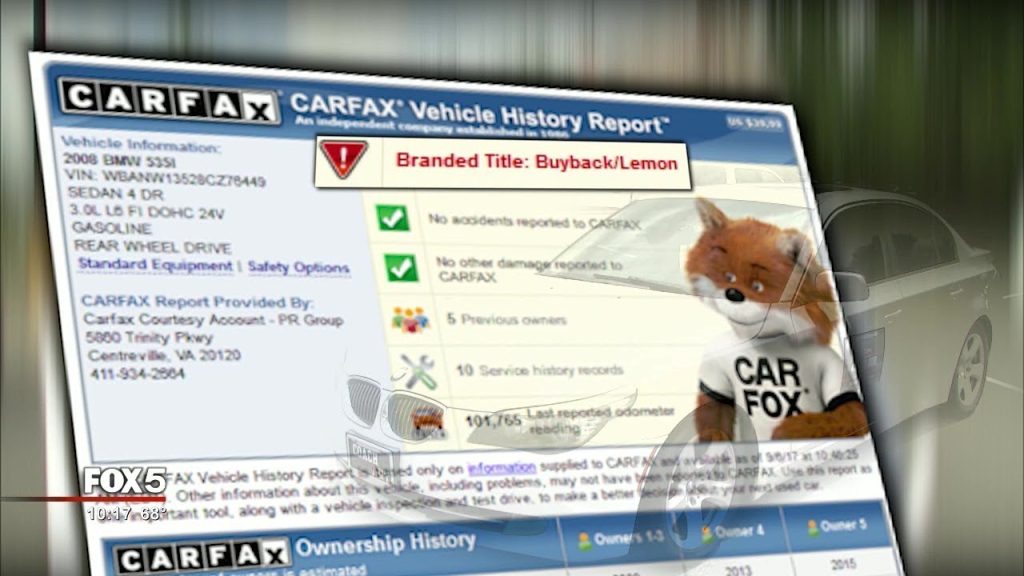
A reliable Carfax report lists all recall campaigns that are linked to the VIN over the car’s lifetime (that are currently in the database), even older ones. That way, it gives buyers complete transparency and lets them know whether the car has had recurring problems.
This step is especially crucial in the case of EVs. After all, problems with charging systems, electronics, or batteries can even arise long after the sale or go unnoticed without a specific recall-tracking tool.
Step #4. Fix Status & Follow-Up
Some electric car safety recalls are fixed over the air (OTA), particularly software-related recalls. That’s why Carfax notes the recall status, but it’s still essential for the buyers to verify whether the recall was addressed or not. And if there are any physical repairs (hardware corrections, wiring fixes, battery replacements, functional damage, etc ), Carfax may show if the recall was “closed out.” But yes, the final verification with a service center or dealership is recommended.
When Is a Car Called for a Recall?
The European Union oversees the recall process thoroughly. Moreover, it’s the responsibility of the vehicle manufacturer to spot and report any defects to the authorities involved. Once the defect is identified, one must notify the owners and offer them a solution.
This can involve repair of any kind, and even replacement or refund. The recall timing depends mostly on the severity of the problem, but in general, it begins as soon as possible to guarantee the safety of the road users.
Is it Possible to Buy or Sell a Used EV With a Pending Recall?
When it comes to selling or buying a used electric vehicle with a pending recall, it’s always crucial to know that it is entirely legal to do this. So if you’re in the market planning to buy a used car, you should check if there are any recalls pending.
You can either ask the seller or get Carfax reports from a trusted platform for recall updates. Moreover, if you’re selling a used car with pending recalls, you should always make sure that you tell the buyers about it to avoid misunderstandings.
Because in the end, it’s wise to prioritize safety and ensure that any important repairs related to a car recall are timely completed.
Best Recall Tips Every Buyer & EV Owner Should Follow
If you own or plan to buy an electric vehicle, don’t forget to follow the following recall tracking tips:
- Run a recall check before making a purchase. Enter the car VIN into Carfax, even if it seems perfect on inspection.
- Look for any open recalls. A used electric vehicle with unresolved issues can cost you a lot in the future, especially if it’s something risky.
- Always verify that the update was really applied. For hardware fixes, you must get documentation from the previous owner or dealer.
- As new recall campaigns can show up even after years of purchase, you should re-check the VIN annually, and also before going on long trips.
- Do not ignore recall notices at all. Some issues may compromise safety, so it’s worth addressing them immediately.
Bottom Line
In a nutshell, using Carfax to check recalls and vehicle history is not optional, especially if you’re buying a used electric vehicle. A full recall history can give you surety and confidence before you make an investment. Wondering where to get reliable Carfax reports? CheapCarfax has your back! Our reports provide users with complete visibility into a vehicle’s history and help them avoid costly mistakes. The best part is that our VIN decoder is completely free, which is an extra perk.