
Finding your vehicle’s car history is essential for all buyers, sellers, and dealerships. However, there are a lot of tools where you can easily find your car’s history, such as accident history, mechanical damage, and mileage.
KBB and Carfax are two of the most trustworthy tools, which allow you to view your car’s value. In this article, we will delve into what’s better in the current era. Without further ado, let’s dive into it.
Carfax: A Dominant Vehicle History Report Tool
Carfax is a reliable history report tool, serving customers since 1981. It uses sources from over 151,000 data providers in the U.S. and Canada.
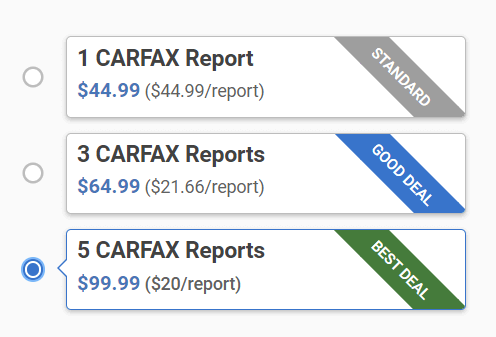
Carfax reports cost over $44 each, which may be costly for buyers and sellers. We offer a cheaper Carfax tool at $6 per report, delivering the same value, reliability, and accuracy.
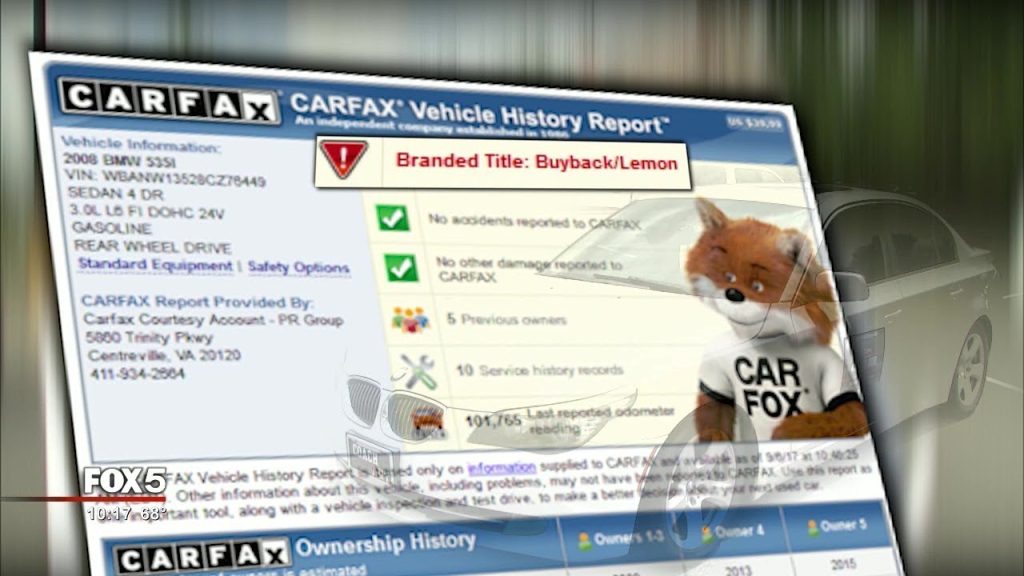
Our report contains:
- Accidental History: Shows previous damage in a car or accidents.
- Functional Damage: : Indicates issues affecting the car’s operation or mechanical systems.
- Hail Damage: Records damage caused by hailstorms, typically affecting the exterior panels and glass.
- Ownership History: Tracks the number of previous owners and registration details.
- Mileage: Shows the total distance the vehicle has traveled.
- Salvage Title: Indicates the vehicle was declared a total loss by an insurance company due to damage or theft.
- Manufacturer Recall: Lists any safety or defect recalls issued by the vehicle manufacturer.
- Odometer Brands: Flags any issues with odometer readings, such as rollback, tampering, or exceeding mechanical limits.
Kelly Blue Book
Kelley Blue Book has been the automotive industry’s leading vehicle valuation authority for over 95 years. Car buyers, sellers, and dealers use it as the standard benchmark for pricing.
As the most recognized name in automotive valuations, KBB processes data for millions of vehicles and provides trusted pricing guidance that influences market transactions.
Kelley Blue Book uses advanced algorithms, real-time transaction data, market trends, regional demand, and vehicle condition to calculate accurate valuations.
Their comprehensive reporting system provides:
-Trade-In Value (the estimated amount a dealer will offer when you exchange your current vehicle for another)
-Private Party Value (projected selling price when conducting a direct sale between individuals)
-Dealer Retail Value (the typical asking price you’ll find on a dealership’s lot for a similar vehicle)
-Certified Pre-Owned Value (premium pricing for vehicles that qualify for manufacturer-backed warranty programs and inspections)
-Fair Market Range (realistic price span showing what buyers are actually paying in your local area)
Pros & Cons – Carfax
Pros:
- Affordability: Carfax reports are considered accessible, allowing users to easily check a vehicle’s history. Various packages are available for different customer needs.
- Reliability: Carfax gathers data from many sources and networks, which is why it is reliable and provides accurate information about the cars.
- User-Friendly Interface: Reports are designed for clarity with visual indicators, color-coded sections, and straightforward explanations, helping even first-time car buyers understand vehicle history easily.
Cons:
- Not Fully Accurate: Even after reviewing the report, it may be necessary to have a professional mechanic inspect the vehicle.
- Incomplete Records: Carfax may not capture every incident in a vehicle’s history, especially if repairs were done at independent shops that don’t report to their database, or if accidents occurred but weren’t reported to insurance companies or police, potentially leaving gaps in the vehicle’s actual history.
Pros & Cons – Kelly Blue Book
Pros:
- Kelley Blue Book is trusted by dealers, banks, and insurance companies as the resource for vehicle valuations, making it easier to negotiate fair prices and secure financing based on its guidelines.
- KBB gives instant vehicle values at no cost, allowing users to check multiple vehicles and compare prices without buying reports or subscriptions, making it accessible to all in the car-buying process.
- KBB adjusts values based on your location and local market conditions, providing pricing that reflects demand and availability in your area, not generic national averages.
Cons:
- Condition Subjectivity: KBB values are influenced by the user’s assessment of a vehicle’s condition, which may lead to differences between estimated and actual offers if the assessment is inaccurate.
Who’s Better: KBB or Carfax
Both Kelley Blue Book (KBB) and Carfax have different purposes. KBB focuses on providing accurate market pricing for cars, while Carfax offers detailed vehicle history reports. When comparing their value, KBB delivers market price estimates, and Carfax delivers car history data. Their value lies in these specific areas, and each serves a distinct role for buyers and sellers .
If you are interested in vehicle history, Carfax provides comprehensive reports. If you need to determine car value or pricing, Kelley Blue Book is an excellent resource for accurate market evaluations.