
Every car that rolls off the production lines starts a slow journey toward devaluation. No matter if you’re a first-time buyer trying to make a smart investment or an expert seller hoping to get the most value from your vehicle, understanding how degradation affects resale value is important.
And you know what the key is to unlock that understanding? Yes, you guessed it right, it’s vehicle history! After all, a car’s history tells you a lot more than where it’s been. With the past details, you know exactly what it’s worth today and how much it will be worth tomorrow.
What Is Vehicle Degradation, Really?
Degradation is the culmination of a vehicle’s mechanical use, environmental exposure, maintenance practices, and driving style, all of which can work in concert or in opposition to one another to determine a vehicle’s true value.
Degradation has two sides:
- Physical Degradation: The real deterioration of parts such as the engine, transmission, brakes, suspension, and body panels is known as physical degradation.
- Perceived Degradation: A buyer’s assessment of a vehicle’s condition, based on its appearance, history, and paperwork.
How Vehicle History Reflects the True Cost of Degradation
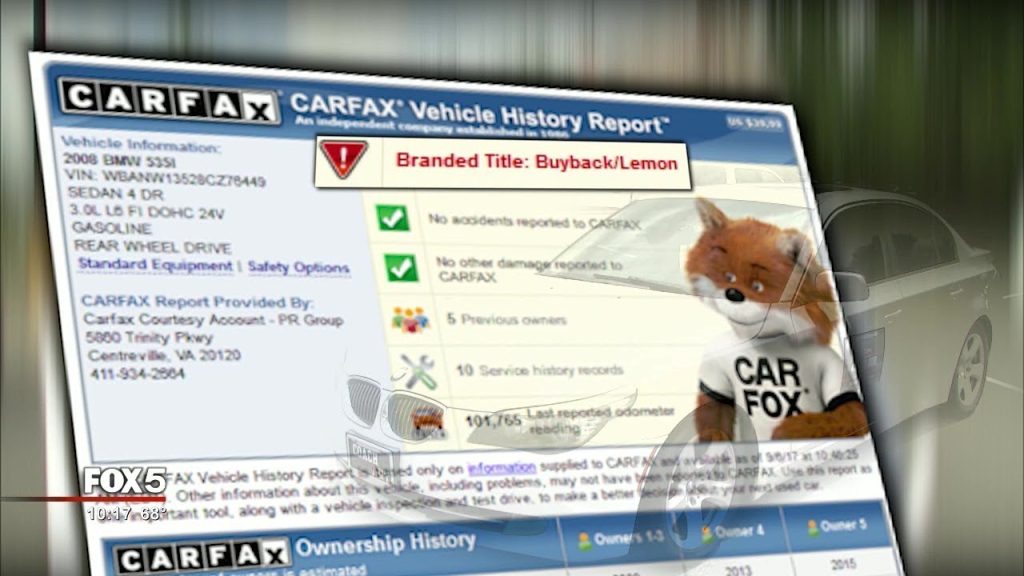
A vehicle history report is actually the timeline of a car’s life. It pulls data from different trustworthy sources, including insurance records, service centers, and government databases.
Here’s what it reveals about degradation:
1. Accident and Damage Records
For good reason, purchasers typically glance at this first. Even a small collision might cause a car to lose value more quickly than one with a clean title. Red flags include airbag deployment, structural deterioration, and frame repairs.
- Door dings and fender benders are examples of minor cosmetic incidents that usually have less of an impact.
- Damage to the frame or structure can drastically lower the resale value and buyer confidence.
- The history of airbag activation frequently indicates a significant collision and raises questions about potential hidden damage.
2. Title History
The title tells the story of what a car has been through legally. Key title brands include:
- Salvage title
- Reconstructed/rebuilt title
- Lemon law buyback
- And flood title
Clean titles are a baseline expectation for full market value. Any brand on the title is a warning sign that the vehicle has faced serious challenges in its past.
3. Odometer Readings and Mileage Consistency
Although mileage is one of the easiest ways to measure physical deterioration, it only provides a partial picture. Consistency is equally important. A vehicle history report tracks odometer readings over time, and any discrepancy (a reading that goes backward or stays suspiciously flat) can indicate odometer rollback, which is more common than most people think.
If a car has good maintenance records, high mileage doesn’t always mean it won’t be worth much when it comes to selling. On the other hand, a low-mileage vehicle with inconsistent service records and a troubled past can be worth less than you might anticipate.
4. Service and Maintenance Records
Many cars either gain or lose the faith of prospective purchasers at this point. A well-documented maintenance history, such as scheduled oil changes, brake pad replacements, and timing belt services, indicates that the owner took good care of the car. It considerably lowers the perceived risk of purchasing a used vehicle.
On the other hand, gaps in the service record raise concerns. Did you never change the oil? Were known recalls ignored? Dealers or purchasers may make lesser bids as a direct result of these disparities.
5. Number of Previous Owners
The resale value generally increases with fewer owners, but context is important. It’s possible that a one-owner rental car or fleet vehicle depreciated more quickly than a well-maintained two-owner private vehicle.
In order to help buyers make a more informed assessment, vehicle history reports typically differentiate between private and commercial ownership.
Factors That Accelerate Degradation (And Kill Resale Value)
Not every car ages in the same manner. Degradation and tank resale value can be significantly accelerated by a few factors:
- Deferred Maintenance
While delaying brake repairs, disregarding warning lights, and skipping oil changes may yield short-term cost savings, they can accelerate the deterioration of vital systems. Buyers aggressively discount when these problems appear during inspection, or when they don’t appear but the gaps in history indicate they occurred.
- Harsh Driving Conditions
Vehicles that are frequently driven in stop-and-go traffic, in extremely hot or cold weather, off-road, or with large towing loads deteriorate more quickly. Usage data that may indicate these trends is now included in some history reports.
- Environmental Exposure
Physical degradation is accelerated by UV damage from extended sun exposure, rust and corrosion from road salt in northern climes, and flood or water intrusion events. Geographic tracking or specific damage records can occasionally identify these in a history report.
- Multiple Accidents
In terms of value impact, a single fender bender is doable. Several mishaps, even small ones, point to a pattern that worries consumers. There may be a significant cumulative impact on resale value.
What Sellers Can Do to Protect Resale Value
If you’re planning to sell a vehicle, the decisions you make today will shape what you can ask for it then.
Here’s what matters most:
- Maintain your service records. Keep your own file of invoices, receipts, and inspection reports, even if your shop doesn’t automatically upload to a history database.
- Respond quickly to recalls. Open recalls can immediately lower offers and are visible to both buyers and dealers.
- Steer clear of needless changes. Particularly for standard cars, aftermarket modifications frequently lower rather than increase value.
- Get minor damage fixed by a professional. Untreated minor dents, chips, and scratches frequently get worse and give prospective purchasers the impression that something is neglected.
- Be open and honest. In addition to fostering trust, disclosing known problems gives you legal protection. Customers who feel misled either leave or, worse, come back with complaints.
Final Thoughts
Vehicle degradation is unstoppable. Because every car ages, every mile adds to the story, and every component wears. But what separates a vehicle that holds its value from one that doesn’t is rarely the car itself—it’s the history behind it.
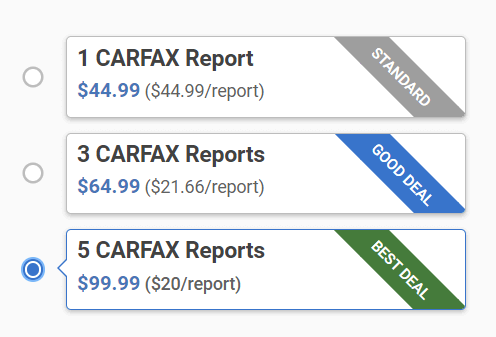
But at the same time, where you’re getting the history report matters for finding the most reliable information. That’s where CheapCarfax.net comes in. This platform offers a report that gives you complete visibility into a vehicle’s background at an affordable cost.
Moreover, you can expect the following points in the report:
- Title status (rebuilt, salvage, or flood branding)
- Odometer readings for inconsistencies
- Accidental history (damages or crashes)
- Maintenance and service records
- Hidden wear and mileage fraud
- Ownership history and usage type
- Open recalls at the moment
So, what are you waiting for? If you want to make an informed decision, go and get your car history report from CheapCarfax.net today!