
No one can deny that many car owners know the importance of regular maintenance. But do you know what they unexpectedly ignore? Well, that is none other than proving that those tasks were actually done.
Studies also reveal that about 90% of used-car buyers are more likely to purchase a vehicle when it comes with a full service history. In fact, among those buyers, 75% said they’d be turned off entirely if there was no documented history.
So, when it’s time to sell, a well-documented service history can make all the difference and turn a hesitant buyer into a confident one. And yes, your DIY maintenance can strengthen your CARFAX report when recorded correctly.
Vehicle History Reports: An Overview
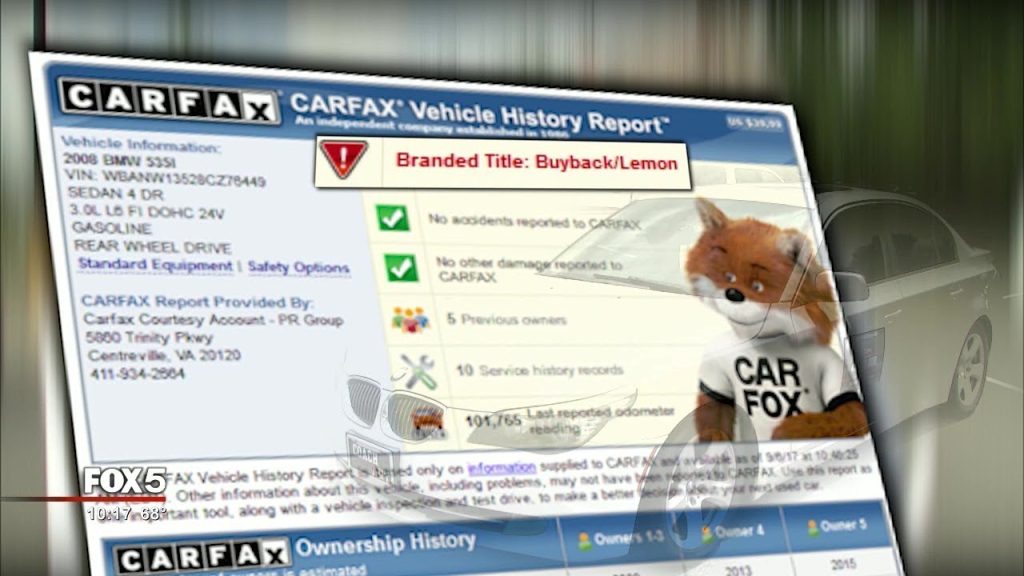
A vehicle history report is essentially your car’s biography. It pulls together information from dealerships, insurance companies, body shops, inspections, and even law enforcement to give potential buyers a complete snapshot of how a vehicle has lived.
And when someone checks your CARFAX report, they aren’t just scanning for accidents. In fact, they look for reassurance. They want signs that the vehicle was cared for, serviced on time, and never neglected.
The DIY Problem Most DIY Car Owners Face
DIY maintenance doesn’t automatically generate a record. Unlike a dealership visit, there’s no invoice attached to the oil you changed or the brake pads you installed. And as a result, the buyers notice the gap.
That way, a missing service history can create doubt, even if you’ve meticulously taken care of the car. With this lack of documentation, even well-maintained vehicles may get lower offers or longer negotiation times because buyers simply don’t know what happened under the hood.
How to Document DIY Maintenance Effectively
The good news? You don’t need fancy tools or dealership software to build solid maintenance records. A little consistency goes a long way.
Here’s how you can make your DIY work look just as reliable as professional service:
- Save Every Receipt: Oil, filters, coolant, brake pads, whatever you buy, keep the slip. It proves the parts were actually purchased and when.
- Keep a Simple Log: Write down what you did, when you did it, and the mileage at that time. Nothing fancy. Some people use a small notebook in the glove box, others type it in their phone.
- Take Real-Life Photos: If you’re replacing a part or doing a fluid change, snap a few pictures. After all, buyers trust what they can see, and these little details can speak louder than a typed note.
- Store Everything in One Place: Create a folder on your phone or laptop and drop your receipts, notes, and photos there. So, whenever someone asks about the car’s history, you’ll have everything ready in seconds.
When You Should Seek Professional Help?
Doing your own maintenance is good, as it saves money, teaches you about your car, and gives you that little “I did it myself” pride. But even the most hands-on car owners need a mechanic in their corner sometimes.
Here’s when it makes sense to call in the pros:
- When the job is too big, like timing belts, suspension work, and transmission services.
- When you want something on your CARFAX automatically, such as quick-lube shops, tire centers, etc.
- When you want a second set of eyes. Some shops will actually review the DIY work you’ve done and note it in their records.
- When you’re prepping to sell, a couple of fresh, professionally recorded services right before listing your car can make your CARFAX look stronger.
How CARFAX Helps You Track and Organize Your Service Records
CARFAX isn’t just a history report, like everyone knows. It’s an ecosystem designed to help owners stay organized and maintain a clean record. More importantly, it lets users track maintenance, set reminders, and store service details in one place.
Especially for busy owners, it acts like a digital memory, making sure nothing slips through the cracks. Another helpful feature is the CARFAX Service History Check. By reviewing what’s already documented, owners can spot missing entries and take steps to fill those gaps.
A complete timeline of care makes a car instantly more credible when it hits the market. And if DIY maintenance isn’t your style, CARFAX’s Service Directory points you to participating shops that automatically report maintenance to CARFAX.
Adding Records to Your Report: What to Do
One of the most underrated tools CARFAX offers is the ability to add the service record yourself. This feature is a game-changer for DIYers. It allows you to log your own maintenance and have it appear as part of the vehicle’s documented history.
In general, a strong entry includes:
- The exact work you performed
- The parts you used
- A date and mileage snapshot
- Supporting receipts or clear photos
The more precise the details, the more confidence it gives future buyers reviewing your report. Some owners also come across Carfax for Life programs.
While these programs mainly benefit buyers who want lifetime reporting perks, sellers who understand how these systems work can highlight their vehicle’s well-documented care even more effectively.
What Today’s Buyers Search for in a CARFAX Report
When a buyer pulls a CARFAX report, they’re scanning for all types of patterns. They want to see consistent oil changes, regular mileage updates, brake services at logical intervals, and honest reporting of any repairs or minor incidents.
A clean accident history matters, but a car with documented maintenance often sells faster and at a higher price than one with vague or missing records.
A solid paper trail tells them:
- The car wasn’t neglected
- The owner cared enough to maintain it
- There are no unpleasant surprises waiting
While major red flags like salvage titles or branded titles can scare buyers away, strong maintenance documentation often becomes the deciding factor between two similar vehicles.
4 Common Mistakes You Should Avoid
Even the most responsible car owners slip up when it comes to documentation. Here are the common mistakes you must avoid:
- One of the biggest mistakes is throwing away receipts from auto parts stores. Those “small” purchases, like oil, filters, spark plugs, and brake pads, tell a bigger story: that routine care happened. Without them, that story goes silent.
- Another common issue is forgetting to include the vehicle identification number (VIN) in maintenance logs, especially for households with more than one car. It only takes a few missing details to create confusion later.
- Some owners also rely on memory rather than written records. Months pass, mileage changes, and suddenly it’s impossible to remember whether that last coolant change was at 80,000 miles or 95,000. Others declutter too aggressively and toss old records long before they realize how valuable a multi-year history truly is.
- And then there’s the classic last-minute rush, which is waiting until selling time to pull everything together. Buyers can usually spot a hastily assembled file, and rushed documentation may raise doubts instead of building confidence.
Note:- Consistent, ongoing record-keeping always beats a frantic, end-of-sale scramble, so make sure you’re all aware and make no big mistakes.
Bottom Line
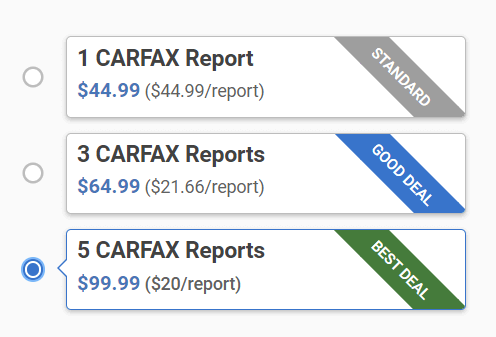
Are you serious about giving your car the best possible resale appeal? Proper maintenance and transparent documentation are your answer. And that’s where tools like CheapCarfax can come in handy.
After all, it offers full vehicle-history reports, including:
- Accidents
- Service records
- Title history
- Odometer readings
- Maintenance logs
The best part is that you get to know all of this at a very reasonable price. No doubt, this really helps sellers build a strong record for potential buyers.