
About 90-95% of all new cars sold worldwide are expected to be connected vehicles by 2030. That means they exchange car tracking data with the outside world continuously. No doubt, telematics is revolutionizing what it actually means to sell and own a car. It gives enormous benefits, but at the same time, it raises a common concern: “What is connected-car telematics & how does it affect vehicle history?” After all, knowing the role of telematics helps make wise decisions when it comes to buying a used car or checking warranty records.
Let’s do an overview of connected car telematics, and its effects on the vehicle history report.
What Is A Telematics System?
A telematics system is a technology-driven solution specially designed to monitor and offer real-time insights into the vehicles’ status. It uses connectivity, like sensors, GPS, and cellular networks, to receive, gather, store, transmit, and analyze the data.
Especially today, telematics is widely used by fleet operators across different industries and is a fundamental component of various fleet management platforms. In simple terms:
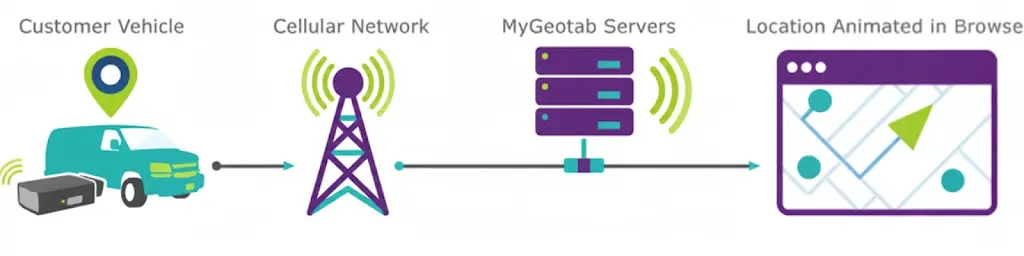
This is what allows your car to talk to your car’s manufacturer, insurers, phone, and even other cars.
Key Components of Telematics: How it Works
Telematics mobile apps or devices usually record the number of miles driven, speed, device or phone usage, braking, and cornering. Here’s what telematics involves:
- Vehicle Diagnostics (fault codes, engine health, battery status, and tire pressure)
- Driver Behavior Metrics (harsh braking, speeding, and acceleration patterns)
- Connectivity Platforms (mobile data and cloud systems that store and transmit data)
- GPS Tracking (route history and real-time location)
This constant stream of data really helps modern cars become more efficient, safer, and more responsive to real-life situations.
The Real-World Benefits Telematics Offers
Telematics offers several benefits for fleets, drivers, communities, and insurers. Let’s explore the top real-world perks it provides:
- Safety & Emergency Support: Connected cars can detect crashes and trigger emergency services automatically. They can support features, such as collision warnings and cruise control, by using real-time data.
- Predictive Maintenance: Rather than waiting for a dashboard light to blink, telematics monitors vehicle health and alerts you before the components fail. This saves you money and reduces stressful situations.
- Insurance Innovation: Usage-based insurance products use telematics data to calculate premiums depending on driving behavior instead of generic demographics.
- Set Geofencing Boundaries: By creating geofence zones on a map, a telematics system helps you monitor when drivers arrive or depart from a location, or even if they enter any unauthorized areas.
- Protect Temperature-Sensitive Cargo: Telematics systems enable the addition of temperature sensors. That’s why when transporting cargo that has to stay at a particular temperature, you will be informed if it changes so you can take action.
Optimize Vehicle Lifecycles: An advanced telematics system helps people optimize their vehicle lifecycles better through tracking the car age and spotting the best time to replace it to guarantee a high resale value.
How Telematics Impacts Vehicle History
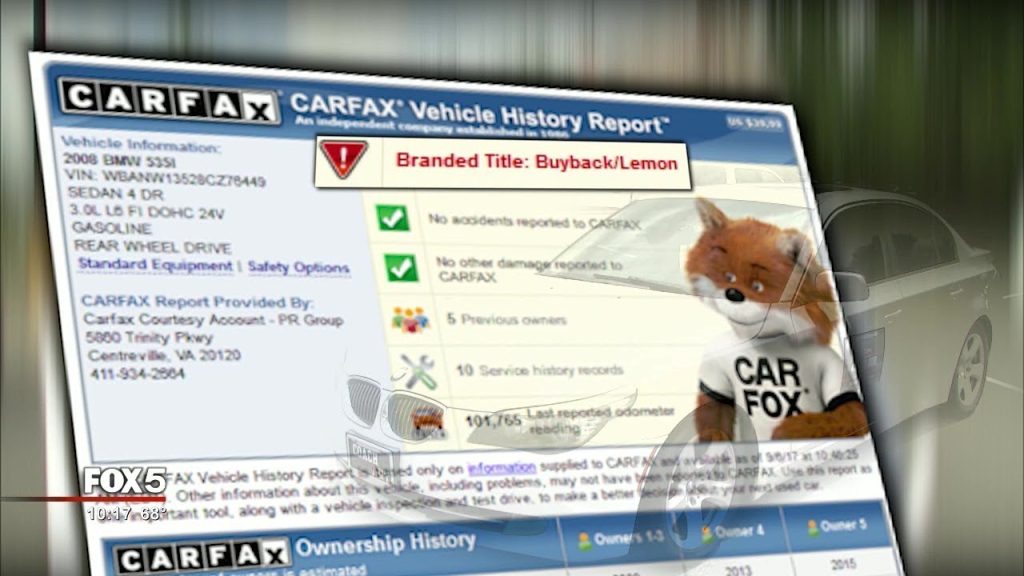
When people talk about the telematics history of the vehicle, they usually think of service logs, ownership changes, and accident records. But connected car telematics adds a layer of data that can impact how a vehicle is priced, evaluated, and trusted.
Traditional vehicle history reports like Carfax from CheapCarfax focus on:
- Title issues
- Past accidents
- EV recalls
- Maintenance visits
- Hail damage data
- Odometer inconsistencies
However, telematics takes vehicle history a step ahead. And the history is not documented by humans only. In fact, it’s logged by the vehicle itself, depending on real data.
This means that specific aspects of a car’s history are automatically captured, based on how the vehicle is driven and maintained.
Here are some examples of telematics data that’s pulled into history:
- Driving habits with the passage of time
- Missed scheduled maintenance alerts
- Instances of rapid acceleration or harsh braking
- Real-time engine performance data
When you have a reliable history report and connected car telematics, this data gives you a clear picture of everything about the vehicle’s condition.
Telematics and Its Common Privacy Concerns
The same car tracking data that makes telematics very beneficial also raises concerns about who controls and owns your vehicle data. After all, many drivers remain unaware of the fact that connected systems transmit information constantly.
Some common concerns that may be a bit troublesome include:
- Location Tracking: Your common movements may be stored and logged.
- Behavior Profiling: Some driving habits can influence overall insurance pricing.
- Data Sharing: The Telematics system can also share data with 3rd parties unless you opt out.
- Limited Driver Control: Drivers have little control over what information is collected sometimes.
So, before you decide to purchase a connected car, don’t forget to read the privacy policy and what telematics data is shared or collected.
CheapCarfax: A Smart Choice for Vehicle History Checks!
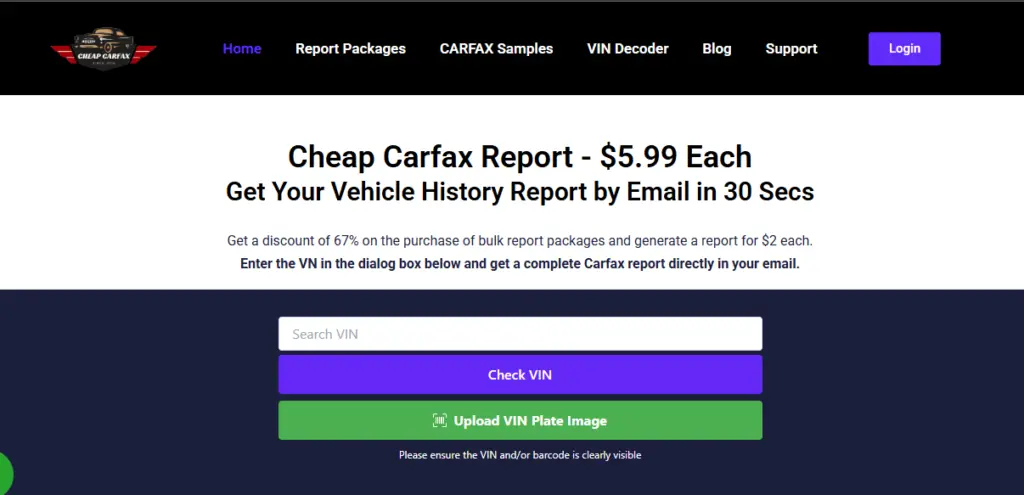
Connected-car telematics continuously impact how vehicles are maintained, monitored, and evaluated. Therefore, it’s no longer optional but very crucial to have access to reliable vehicle history, as raw vehicle data alone can be confusing. What you really need is a reliable Carfax report that provides vehicle history.
That’s where CheapCarfax stands out! They provide detailed reports and decode VIN checks at a very affordable cost, which makes it simpler for sellers, buyers, and car owners to understand what a car has been through.