
Sellers hide damage through private repairs, title washing, independent body shops, and odometer fraud, none of which appear on Carfax because they bypass insurance claims and official reporting.
Sellers or dealerships are clever when trading vehicles. They know all the nitty-gritty tricks to hide damages on a car even though with a clean Carfax Report. In 2026, it is even more easier with advance tool, where sellers can easily manipulate Carfax reports.
We previously shared that 55% of the car found with accidental damage. Moreover, Carfax reported odometer rollback surged by 14% by the end of 2025.
In this article, we will dive into how sellers hide car damage and how you can protect yourself.
Why a Clean Carfax Doesn’t Mean a Clean Vehicle
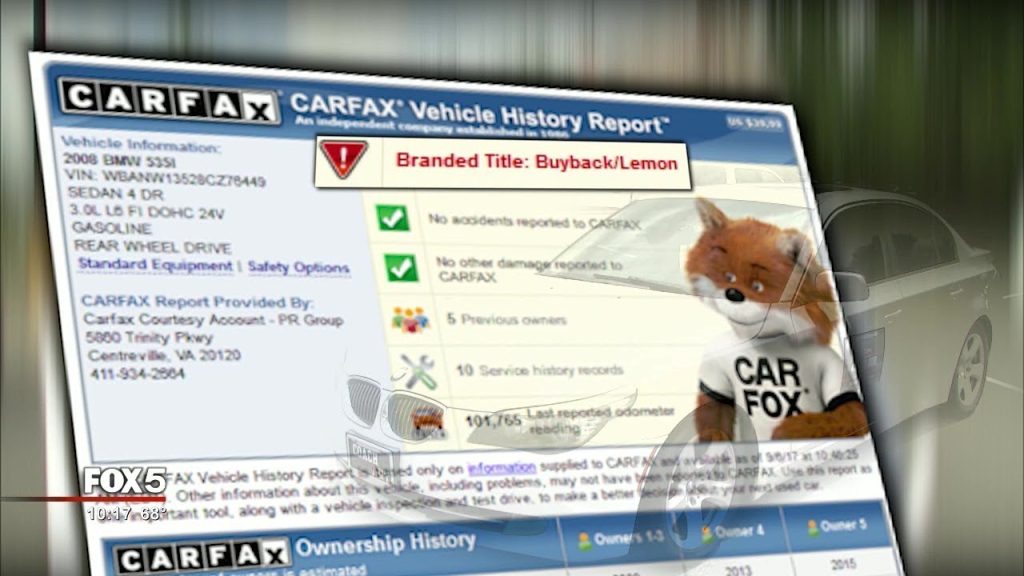
So you have purchased a Carfax report and it came out clean, does it mean the car never went through accidents? Nope, it simply means the previous owner of car never reported the damage.
That’s where new buyers get tricked into the game of dealerships. Dealers understand that buyers treat Carfax reports almost like vehicle passports, assuming they tell the complete story. In reality, a clean report is more like a clean criminal record from official arrests, plenty of incidents can fall outside the system entirely.
This creates an inverted risk scenario: cars with the cleanest Carfax reports might actually have hidden damage, while cars with minor reported claims might be in better condition overall.
Common Ways Sellers Hide the Damage
1. Private Repairs
Some of the sellers get private repairs from mechanics before reporting the damages to insurance companies. Therefore, the damages does not pop up in Carfax reports. If the repair cost is less than the deductible (typically $500-$1,000), filing a claim makes no sense anyway. But even for more substantial damage, some owners weigh the cost of the repair against the future insurance premiums and resale value impact, then choose to pay cash.
The repairs are done by local auto shops, parts are purchased from alternate markets, not allowing insurance companies to get involved. This way, Carfax spots nothing.
2. Title Washing Across Different States
Title washing is one of the common frauds happen all over the U.S, especially in state like Texas and California. Title washing is a practice where vehicles with salvage, flood, or branded titles are moved across state lines to obtain a clean title in a more lenient jurisdiction. This is illegal in many cases, but it remains one of the most effective ways to erase a vehicle’s damage history.
Our Carfax report still catches title change, however some owners and dealerships in different states in USA report title changes inconsistently.
3. Cosmetic Fixes to Minimize Structural Damage
This is where sellers blur the line between honesty and deception most dangerously. If you are not experienced, you may not be able to identify whether the car has been damaged or not. Dealerships or sellers replace damaged car components with alternative parts to hide the damage, buffed it and make it showroom ready.
The cosmetic fixes make buyers believe that they are buying a clean and undamaged vehicle, only to discover months later that the steering feels odd or the car pulls slightly during braking.
Flood Damage That Never Shows Up on Reports
Cars Repaired After Minor Flooding
Flood damages are insidious which does not show up right away, but hurts the car engine and electrical system in a long run. When a vehicle go through storm or flood, it damages the electrical system and corrodes metal components.
The seller can easily trick you into this. You might feel nothing during the test drive and feels everything smooth. Few weeks later after purchasing the car, the real damages start to show up. The electrical system starts acting up, windows or locks intermittently fail, or rust begins appearing in unexpected places.
Electrical Problems That Appear Months Later
The true danger of flood-damaged vehicles is that electrical issues often emerge well after the initial repair. Water corrodes wiring harnesses, and moisture trapped inside components leads to intermittent failures that may not appear until months of driving have passed.
A mechanic inspecting the car months after purchase might miss the telltale signs of water damage if they’re not specifically looking for it.
How to Protect Yourself With Hidden Damages
Understanding these tactics is the first step in protecting yourself. Here are critical steps to take:
- Get an independent pre-purchase inspection from a trusted mechanic before buying any used car, regardless of Carfax status. A good inspection includes alignment checks, frame measurements, electrical diagnostics, and undercarriage examination.
- Don’t rely solely on Carfax. Check other history services like AutoCheck, which sometimes captures different data. Look at the service records yourself and contact service centers directly to verify mileage and service dates.
- Inspect the paint and body carefully. Compare paint thickness using a paint meter (or hire someone who has one). Look for overspray, mismatched panels, and areas where repairs are evident.
- Test the electrical systems thoroughly. Roll windows up and down multiple times, test all lights and switches, and have the dashboard electronics checked under load. Intermittent electrical failures can be a sign of flood damage.
- Know the vehicle’s origin. Ask where the car was previously registered, how long it spent in each location, and whether it’s ever been exported. Multiple state registrations over short periods can be a red flag.
- Get a detailed history beyond Carfax. Check for title brands, ownership history, and any gaps in recorded service or registration.
Conclusion
As we all know, frauds and scams in car trade history will last forever. It is your duty to protect yourself these kind of scams. Flood and accident damages are easily manipulated by the dealerships and sellers, therefore as a buyer, do proper inspection, test everything before purchasing, and get a Carfax report.