
TD;LR
- Match claimed mileage with wear inside and under the hood to catch low-mileage red flags.
- Cross-check VIN history and maintenance records, especially tire and service timelines.
- Do a proper inspection and road test, and walk away if anything feels off.
Hidden wear and mileage fraud are common nowadays, and many buyers fall victim to it. In our previous post, we mentioned that odometer fraud has risen by 18% since 2021.
Preventive car maintenance is an essential topic to understand. Your car’s odometer shows 85,000 miles, but the brake pads look brand new while the engine mounts are completely shot. This red flag scenario illustrates a growing problem: hidden wear and mileage fraud that costs unsuspecting buyers thousands of dollars annually.
There are multiple ways to identify and avoid hidden wear-and-mileage fraud when buying your next car.
Identifying Mileage Fraud & Hidden Wear Through Documentation
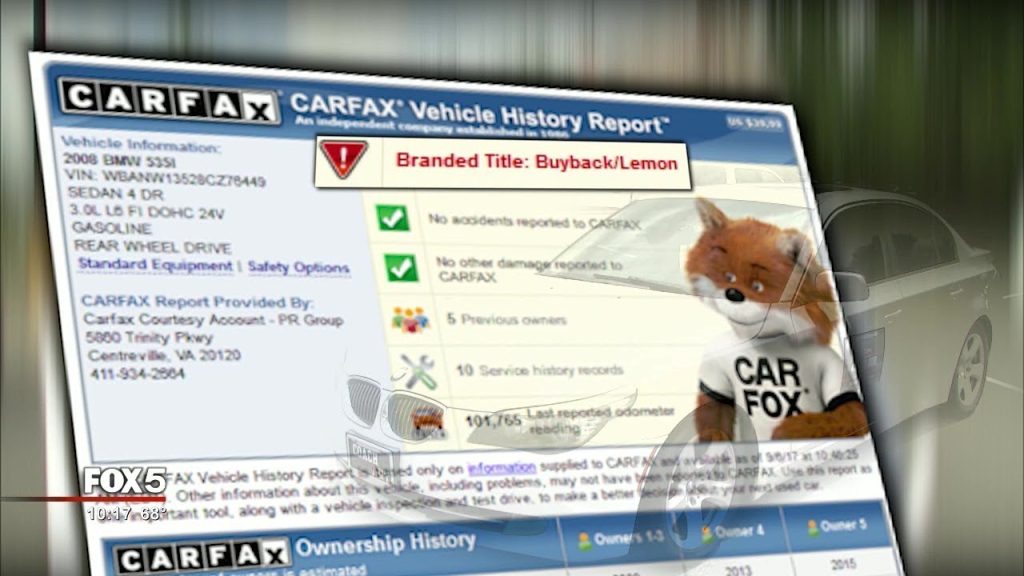
Documentation is one of the most effective ways to detect mileage fraud. Historic documents, such as Carfax history reports, tell a story that the odometer can’t hide. The Carfax reports contain accident records and other history, creating an authentic timeline that reveals genuine mileage patterns and exposes fraudulent tampering.
Moreover, tire replacement documents also reveal mileage fraud. Original tires should last 40,000-60,000 miles under normal conditions. If a low-mileage car has records of frequent tire replacements or anti-dry-rot treatments, the mileage may not be telling the vehicle’s condition, as a tire typically lasts 40,000 to 50,000 miles under normal conditions.
By reviewing these documents and other historical reports, you can gain a strong understanding and make a well-informed buying decision. Let us get you through a step-by-step pre-purchase inspection for hidden wear and mileage fraud.
Step-by-Step: Conducting a Pre-Purchase Inspection
The pre-purchase inspection helps you avoid sudden surprises and reveals whether there are mileage blockers undetectable through standard checks. Let’s get into it.
Note: if you are not experienced with inspecting, it’s better to hire an experienced mechanic.
Gather Pre-Inspection Equipment and Arrangements
Start with basic tools: a flashlight, a magnet, a smartphone camera, and a clean cloth. Research the vehicle’s history using the VIN and gather all available maintenance records. Schedule the inspection during daylight hours when visibility is optimal for detecting subtle wear patterns. Do not inspect the vehicle at night, as you may miss areas, including hidden wear.
Do Interior and Dashboard Analysis
Examine pedal wear, seat condition, and steering wheel deterioration relative to displayed mileage. Make sure to check for aftermarket modifications around the dashboard area where mileage manipulation devices might be installed—document inconsistencies with photos for later reference.
Under-Hood Investigation
Inspect belts, hoses, and fluid levels, and check for any unusual electronic additions. Pay attention to wire modifications or non-factory connectors that could indicate tampering. Check service stickers and dates to verify maintenance consistency.
Road Test Verification
During the test drive, avoid unnecessary highway driving initially and focus on parking-lot manoeuvres to assess basic mechanical function. Listen for unusual noises, feel for vibrations, and test all electronic systems.
A 15-minute comprehensive road test reveals transmission issues, brake problems, and engine performance that mileage alone cannot predict.
In summary, this systematic inspection approach provides a comprehensive view of the vehicle’s true condition before you make your final decision.
Mistakes to Avoid When Doing a Car Inspection
Here are some of the mistakes that every new buyer commonly makes:
Rushing Through The Process
The most damaging error is rushing through the process under pressure from sellers or dealerships. When you hurry, you miss subtle signs that could reveal whether it is a mileage blocker traceable through careful examination of wear patterns and electronic systems.
Relying on Cosmetic Issues
A clean exterior with minor dents can distract from bigger issues in a car, such as critical components like brake wear, suspension alignment, and/or engine performance. We have a detailed guide on what to look for when buying a used car.
Neglecting the Full Driving Test
A drive reveals a lot about a car, such as engine sound, headlights, indicators, and brake wear. A comprehensive test drive should include highway speeds, parking maneuvers, and stop-and-go traffic scenarios. Finally, accepting seller explanations at face value without independent verification often leads buyers to overlook red flags.
Vital Key Takeaways for Car Maintenance
Protecting yourself from hidden wear and mileage tampering requires a systematic approach that combines physical inspection, digital verification, and professional oversight. It is better not to rush the car inspection process and to conduct a thorough driving test before making a buying decision.
Take action now: apply these techniques to your next used car purchase, and remember that walking away from questionable deals is often your best financial decision.