
Used cars with mileage between 75,000 and 100,000 miles are generally considered reliable by most buyers, though overall maintenance matters just as much as the number itself. Many Americans draw the line at 120,000 miles or less when shopping for a pre-owned vehicle.
When you’re shopping for a used car, mileage is usually one of the first things you look at. And that makes sense, the odometer tells you a lot about a car’s past and has a real impact on both the price and how long the car will last. This guide walks you through what good mileage actually looks like so you can shop smarter.
Understanding the Basics of Used Car Mileage
The automotive industry generally accepts that the average American driver puts around 10,000 to 12,000 miles on their car each year. That number is your best starting point when judging whether a used car’s mileage is reasonable for its age.
To calculate if a used car has reasonable mileage, buyers should divide the total odometer reading by the number of years the vehicle has been on the road. For instance, a five-year-old vehicle with 50,000 to 60,000 miles on its odometer would be considered to have good mileage, falling right in line with expected usage patterns for that time period. We have a whole guide on what to look for in a used car.
What Qualifies as Good Mileage?
Good mileage depends largely on the vehicle’s age and how it has been driven. A newer vehicle with lower annual mileage ratings typically indicates less wear and tear on essential components.
Cars that have experienced highway driving primarily often fare better at higher mileages compared to those subject to constant city driving, where frequent stopping and accelerating place additional stress on the engine and brake systems.
The definition of good mileage extends beyond just the numbers on the odometer. The quality of the maintenance history plays an equally crucial role.
A well-maintained vehicle with comprehensive service records can outperform a lower-mileage car that has received inadequate care.
Factors That Define Good Used Car Mileage
Several elements combine to determine whether a used car represents good value from a mileage perspective:
- Vehicle Age and Mileage Correlation: A three-year-old vehicle should ideally have between 30,000 and 36,000 miles, while a ten-year-old vehicle might have accumulated 100,000 to 120,000 miles. The relationship between these numbers matters more than the absolute figures.
- Maintenance Records: Access to comprehensive service records demonstrates that the vehicle has received scheduled maintenance, which extends a vehicle’s lifespan and improves reliability regardless of mileage.
- Previous Ownership History: Vehicles with fewer ownership changes tend to have more consistent care patterns. Multiple ownership transitions may indicate less stable maintenance practices.
- Driving Conditions: High-mileage cars driven primarily on highways experience significantly less stress than those driven in stop-and-go urban environments. Highway miles represent a gentler form of vehicle usage.
The Impact of Driving Conditions on Mileage
Not all miles are created equal. The type of driving a vehicle has experienced dramatically affects its actual condition and remaining lifespan. Understanding these differences helps buyers evaluate high-mileage cars more accurately.
Highway Driving vs. City Driving
Highway driving generally results in less wear and tear compared to city driving. When a vehicle spends most of its life cruising on highways at consistent speeds, the engine operates more efficiently, transmission shifts remain smooth, and brake components experience less frequent use. This means a car with 150,000 highway miles might be in better condition than one with 100,000 miles of city driving.
Conversely, city driving places continuous demands on a vehicle’s systems. Frequent acceleration from stops, regular braking, and idling in traffic all contribute to accelerated wear on critical components like brakes, transmission fluid, and the engine itself.
High-Mileage Vehicles: Separating Myth from Reality
Historically, 100,000 miles served as an unofficial threshold where vehicles were considered to be approaching the end of their useful life. This perception no longer holds true for modern automobiles. Advances in automotive engineering have significantly extended vehicle lifespans, and many well-maintained cars continue operating reliably well beyond this milestone.
Modern vehicles from reputable brands frequently surpass 200,000 miles with appropriate care and maintenance. Certain manufacturers have built their reputation specifically on producing vehicles capable of exceptional longevity. The automaker’s reputation for durability plays a significant role in determining whether high-mileage represents a concern.
Unexpected Repairs and Maintenance Costs
As vehicles accumulate mileage, unexpected repairs become more likely. Higher-mileage cars may require more frequent attention to worn components like tires, brakes, and suspension parts. However, unexpected repairs don’t automatically indicate a vehicle is unreliable—they simply reflect the natural aging process of mechanical systems.
Savvy buyers review the maintenance history to understand what repairs have already been addressed. If major systems have recently received service, the vehicle may have reduced risk of imminent costly work.
Evaluating Title History and Ownership Records
Beyond mileage numbers, a vehicle’s title history provides crucial context. The CARFAX Vehicle History Report stands as an industry standard tool for revealing important details about a vehicle’s past.
A vehicle history report can expose red flags such as reported accidents, flood damage, or title issues that might indicate structural damage or functional problems. This information proves invaluable when assessing whether high mileage represents genuine concern or merely reflects heavy but responsible use.
Examining the title history reveals how many previous owners the vehicle has had. Vehicles that have changed hands multiple times may have inconsistent maintenance patterns, making the maintenance history less reliable as a predictor of current condition.
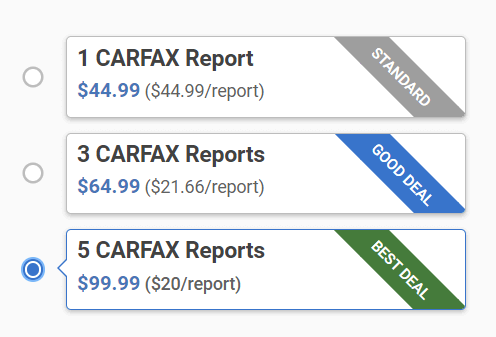
Our Cheap Carfax reports provide you with every nitty-gritty detail about the vehicle you are buying.
Condition Indicators Beyond the Odometer
Evaluating a used car requires looking beyond mileage numbers to assess actual vehicle condition through visible and mechanical inspection.
Physical Wear and Appearance
The exterior and interior condition provide clues about how a vehicle has been treated. Worn tires with insufficient tire tread indicate that safety components need attention. Faded paint, dents and scratches, and general cosmetic wear suggest the vehicle may not have received meticulous care, though such issues don’t necessarily indicate mechanical problems.
Interior features that function properly, along with an overall clean cabin, suggest an owner who maintained the vehicle responsibly. Conversely, a vehicle with worn interior components and accumulated debris may indicate neglectful ownership.
The Test Drive Advantage
A test drive remains one of the most valuable assessment tools available to buyers. During a test drive, potential owners can evaluate how the vehicle handles, listens for unusual noises, and feels how responsive the brakes and steering are. These direct experiences often reveal problems that mileage numbers and reports cannot capture.
Brand Reputation and Long-Term Reliability
Certain automakers have earned well-deserved reputations for producing durable vehicles. Zanesville Toyota dealerships and Crossroads Ford of Lumberton locations, among other quality-focused dealers, have built their businesses partly on the reliability of the vehicles they sell.
Reputable brands demonstrate a track record of engineering vehicles that maintain functionality across higher mileage ranges. When a buyer selects from among reputable brands, higher mileage becomes less of a concern compared to vehicles from manufacturers with less impressive durability records.
Insurance and Financial Considerations
High-mileage vehicles may require higher insurance premiums due to increased perceived risk. However, usage-based insurance options have emerged that consider actual driving patterns rather than just mileage, potentially offering more favorable rates for responsible drivers.
The depreciation rate of a vehicle typically accelerates as mileage increases. A lower-mileage vehicle usually commands a higher purchase price, while high-mileage vehicles offer lower entry costs. This trade-off between upfront purchase price and vehicle condition represents an important financial consideration for budget-conscious buyers.
Should You Consider Certified Pre-Owned Options?
For buyers concerned about mileage but seeking confidence in vehicle quality, Certified Pre-Owned vehicles offer middle ground. These pre-owned inventory options have undergone rigorous inspections and typically feature lower mileage than standard used vehicles.
CPO vehicles often come with extended warranties and comprehensive condition guarantees that reduce buyer anxiety. While these certified vehicles typically command higher prices than comparable non-certified options, the added protection may justify the premium for risk-averse buyers.
Making Your Decision: When Is Mileage Too Much?
There is no universal mileage threshold that applies to all vehicles and all buyers. A well-maintained vehicle with 150,000 miles may remain an excellent choice, particularly if maintenance history documentation is thorough and the vehicle comes from a reliable manufacturer.
Conversely, a 70,000-mile vehicle with poor maintenance records and multiple ownership changes might present greater risk than a higher-mileage alternative with perfect upkeep documentation.
Key Questions to Ask
Before committing to a used car purchase, buyers should ask themselves:
- Has the vehicle received regular scheduled maintenance as documented in service records?
- What does the vehicle history report reveal about previous accidents or title issues?
- Does the vehicle’s mileage align appropriately with its age?
- Has the vehicle been driven primarily under highway or city conditions?
- What is the reputation of the automaker for producing long-lasting vehicles?
- Are there any signs of significant wear and tear visible during inspection?
- Has a professional mechanic conducted an independent vehicle inspection?
Brand-Specific Mileage Considerations
Different automotive manufacturers have distinct reliability profiles and engineering philosophies that affect how buyers should evaluate mileage. Understanding brand-specific factors helps buyers make more informed decisions when shopping for used vehicles from particular manufacturers.
Toyota Used Cars Mileage
Toyota has built an exceptional reputation for manufacturing vehicles that consistently exceed industry longevity expectations. Toyota used cars often remain reliable and functional well beyond 200,000 miles when properly maintained, making mileage a less critical concern compared to vehicles from other manufacturers.
The Toyota brand’s track record demonstrates that higher mileage on these vehicles doesn’t necessarily indicate imminent mechanical problems. Many Toyota owners report vehicles running reliably at 250,000, 300,000, and even higher mileage counts. This durability means buyers can confidently consider Toyota vehicles with moderately high mileage if the maintenance history is solid, potentially finding excellent value in what might be considered high-mileage inventory from other brands.
When evaluating Toyota used cars, the maintenance history becomes the primary concern rather than mileage itself. A well-maintained Toyota with 180,000 miles and comprehensive service records often represents better value than a low-mileage vehicle from a less reliable manufacturer.
Honda Used Cars Mileage
Honda shares a similar reputation with Toyota for producing durable, long-lasting vehicles that respond well to responsible maintenance. Honda used cars frequently deliver reliable transportation even when mileage exceeds 150,000 to 200,000 miles.
Honda’s engineering philosophy emphasizes building vehicles that continue operating dependably across extended ownership periods. The brand’s reputation for reliability means prospective buyers should focus less on absolute mileage numbers and more on whether the vehicle received appropriate maintenance throughout its service life.
For those shopping Honda used cars, mileage milestones that might concern buyers of other brands become less significant. A Honda with 160,000 highway miles and documented regular service may outperform a lower-mileage vehicle from a less reputable manufacturer, offering reliability that justifies the higher mileage count.
One of our users drives a Honda and has currently reached above 90,000 miles with no issues at all. This is will of course help him
Tesla Used Cars Mileage
Tesla vehicles present unique mileage considerations compared to traditional internal combustion engine vehicles. Electric vehicles like Tesla models have fundamentally different powertrains with fewer moving parts, which can affect how mileage translates to wear and tear.
Tesla used cars typically experience less mechanical degradation from mileage compared to gasoline-powered vehicles because electric motors operate with greater efficiency and require less frequent maintenance.
Battery degradation becomes a more significant concern than traditional mechanical wear for Tesla vehicles. Most Tesla batteries retain approximately 90 percent of their capacity after 150,000 miles, though this varies based on charging patterns and climate conditions.
When evaluating Tesla used cars, mileage should be considered alongside battery health and charging history. A Tesla with 120,000 miles but excellent battery condition may represent better value than a lower-mileage vehicle with degraded battery performance. Buyers should prioritize obtaining battery health reports alongside traditional vehicle history documentation.
Mercedes Used Cars Mileage
Mercedes vehicles represent a premium segment where maintenance becomes exceptionally important when considering mileage. While Mercedes builds quality vehicles designed for extended service, the cost of repairs and parts for these luxury vehicles increases significantly as mileage accumulates.
Mercedes used cars with higher mileage require even more careful evaluation of maintenance history than mainstream vehicles. Routine maintenance on Mercedes vehicles costs more than comparable work on economy brands, making a comprehensive service history particularly valuable. High-mileage Mercedes with documented regular maintenance may prove more reliable than similar-mileage vehicles from mainstream brands that have received less meticulous care.
When shopping Mercedes used cars, mileage interacts with warranty availability and repair costs more directly than with other brands. Buyers should investigate whether extended warranty options remain available and factor potential repair expenses into their purchasing decision.
A well-maintained Mercedes with 100,000 miles remains a solid choice, while the same mileage on a Mercedes with spotty maintenance history may present significant risk due to the specialized service requirements of luxury vehicles.
Final Verdict
Determining what constitutes good mileage on a used car requires evaluating multiple factors beyond the simple odometer reading. While the average miles driven annually provides a useful benchmark, the overall maintenance history, vehicle condition, driving patterns, and brand reputation ultimately determine whether a used car represents good value.
Armed with thorough research including vehicle history reports, professional inspections, and honest assessment of driving conditions, buyers can confidently navigate the used car market and select vehicles that meet their needs regardless of mileage.